지금いま
検索データはまだありません。
Lamb skewers turned on a rack at the table and dipped in cumin. The Korean-Chinese street by Konkuk University is where Seoul eats them, with Tsingtao.
行った?使った?自分の言葉で一行。みんなが自分の言語で読めます。星よりタグが効きます。
海外からのレビューはまだありません。最初の一件は投稿した瞬間に4か国語に翻訳されます。
検索データはまだありません。
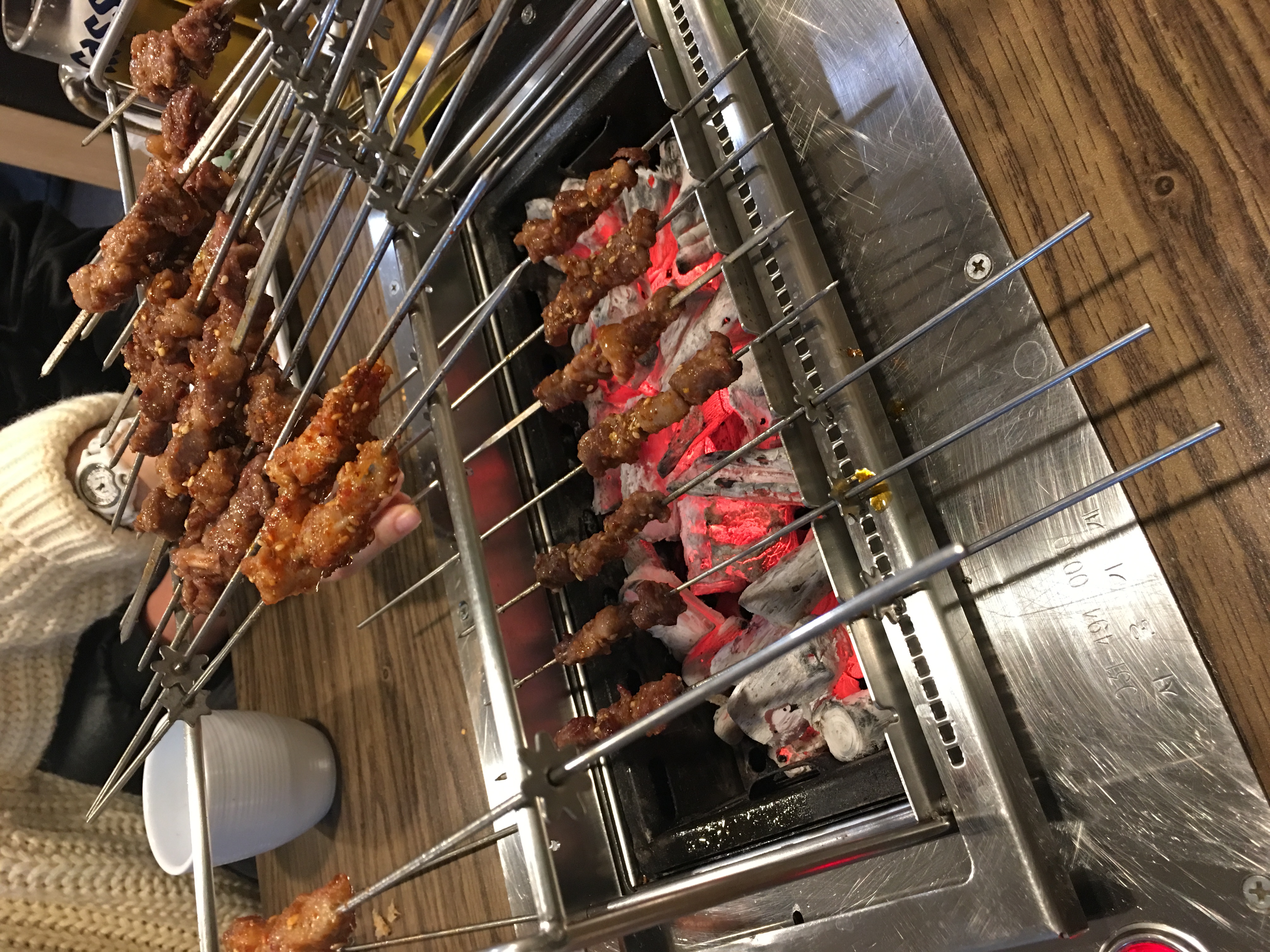
양꼬치 (yang·kko·chi) is cubes of lamb on metal skewers, grilled at the table on a rack that turns them for you, then dipped in 쯔란 (jjeu·ran), ground cumin mixed with sesame, perilla, chilli and sugar. Seoul's city magazine 서울사랑 (July 2021) traces the dish to the Uyghurs of Xinjiang and the Seoul version to the Korean-Chinese community of 자양동 (ja·yang·dong) by Konkuk University, where 경성양육관 opened the first shop in the early 2000s.
The street is called 건대 양꼬치거리 or Little China: 700 to 800 metres of Chinese restaurants from exit 5 of Konkuk University station (lines 2 and 7), past 조양시장. Ilyo Seoul (28 April 2023) counted about a hundred restaurants and explains who came first: 조선족 (jo·seon·jok) workers who took jobs in the Seongsu shoe and leather factories in the 1990s, then Chinese students in the 2000s.
The drink is Tsingtao. The pairing has its own word, 뀀맥 (kkwaem·maek), skewer and beer, which the Ilyo Seoul writer says is more popular on this street than 치맥.
Order skewers for the table and a bottle of Tsingtao; the rack turns them, you take one when it browns and roll it in the cumin. 복만루 on the same street runs an all-you-can-eat hot pot and grill at 18,000 won a head (서울사랑, 2021).
Twenty skewers and two Tsingtao.
Dip it in the cumin.
| 복만루, all-you-can-eat hot pot and grill, per person, Jayang-dong (서울사랑, July 2021) | 18,000원 | 確認 2026/11/04 |
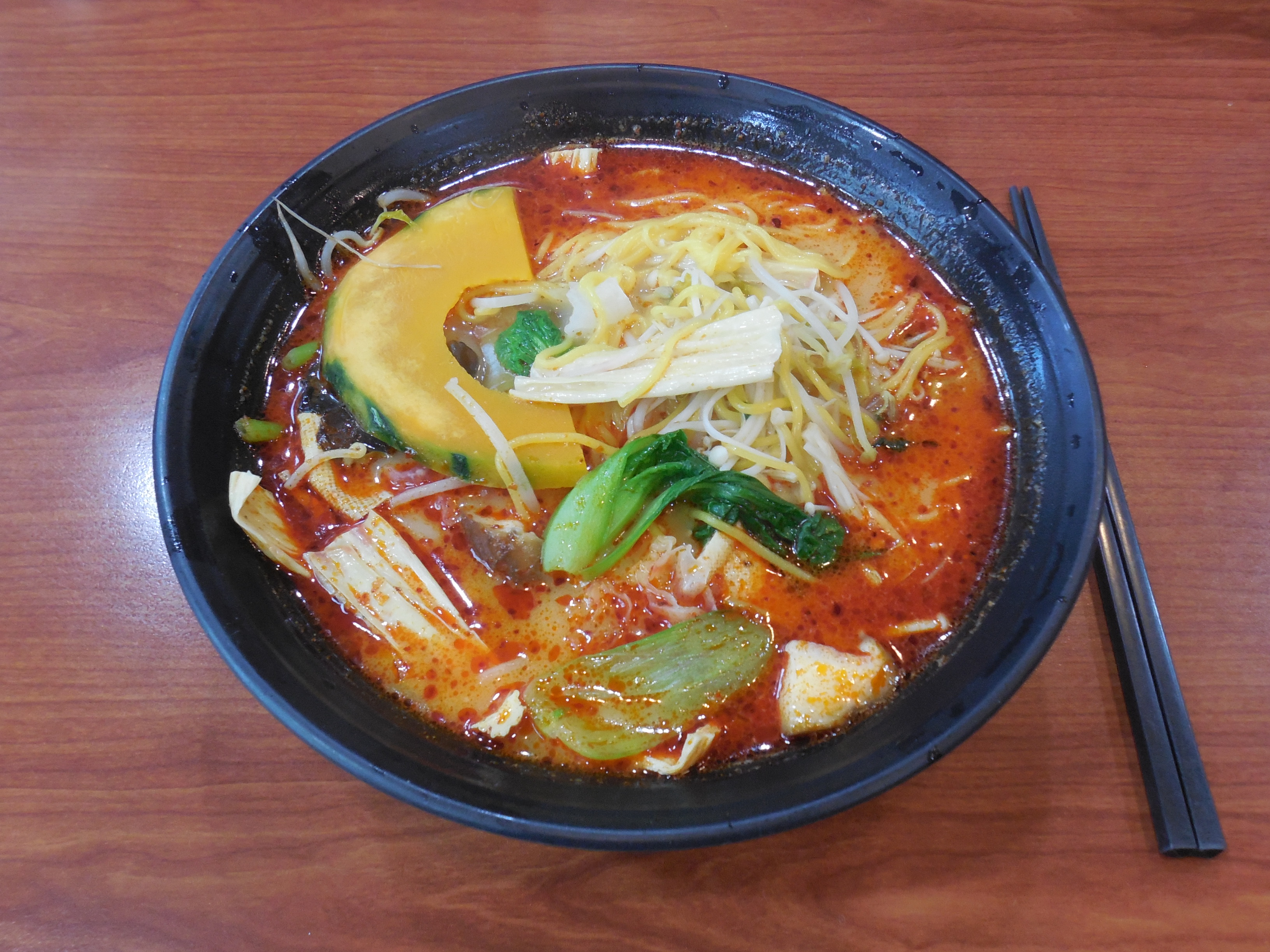 먹을것 食べもの · 맛마라탕MalatangA numbing, spicy Sichuan soup you build yourself. Pick the ingredients from a cold case and hand over the bowl.오늘 올라옴 今日追加
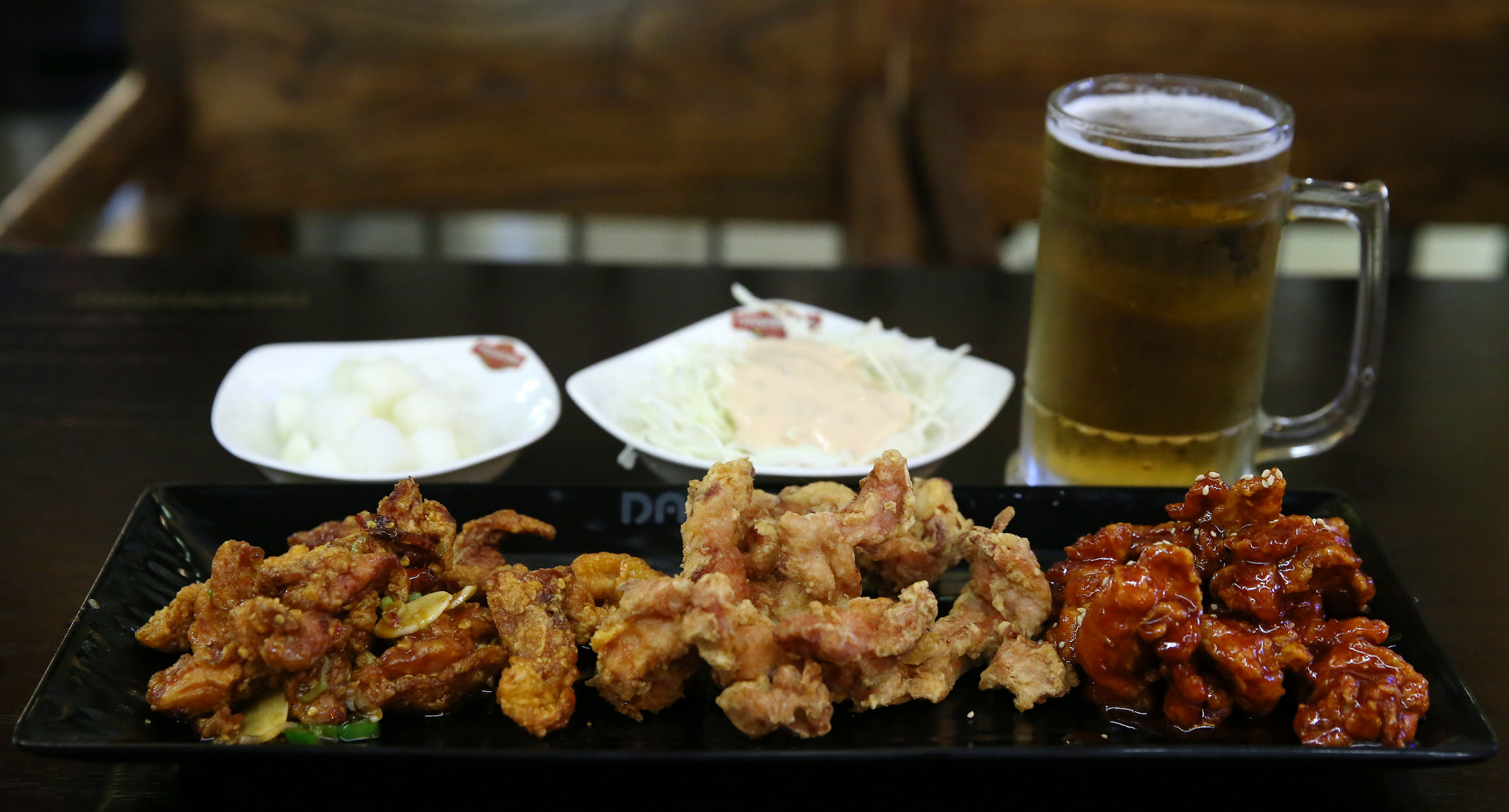 먹을것 食べもの · 맛치맥ChimaekFried chicken and beer, ordered together. The word joins 치킨 and 맥주.오늘 올라옴 今日追加
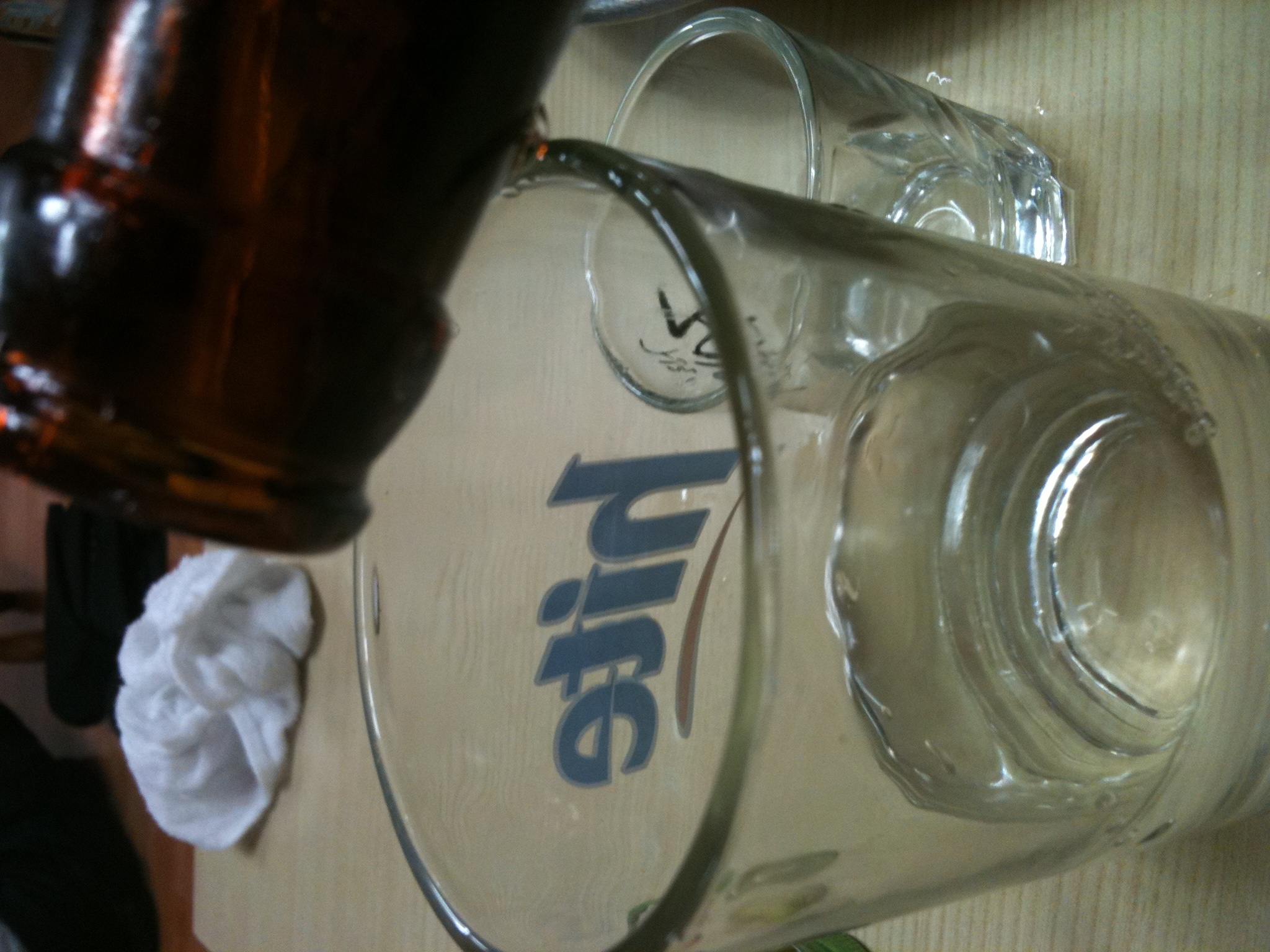 먹을것 食べもの · 맛소맥SomaekSoju poured into beer and drunk straight away. The word is the first syllable of 소주 and the first of 맥주.오늘 올라옴 今日追加
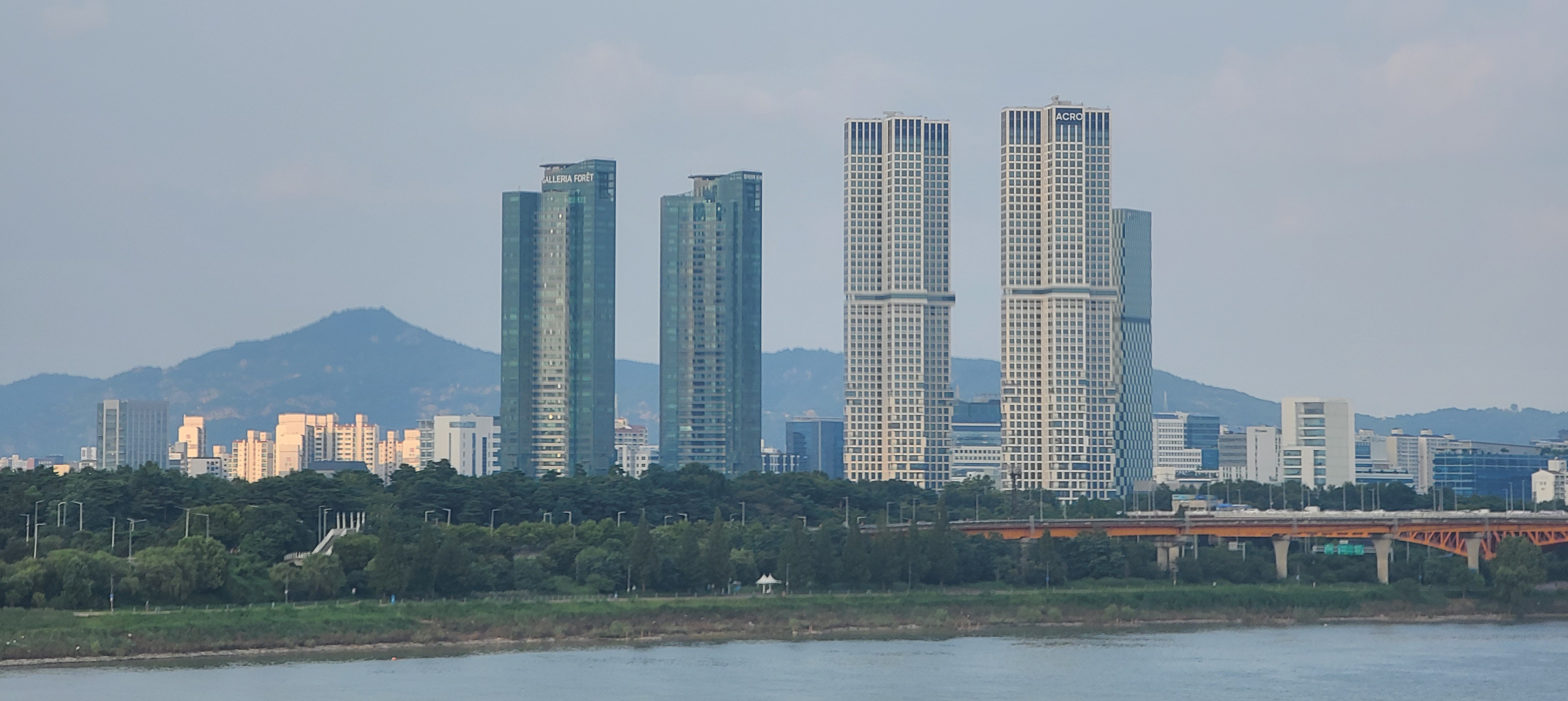 동네 街 · 길성수동Seongsu-dong漢江の東にある靴工場の街で、ブランドが最初に店を開き、すぐに閉めていくところです。
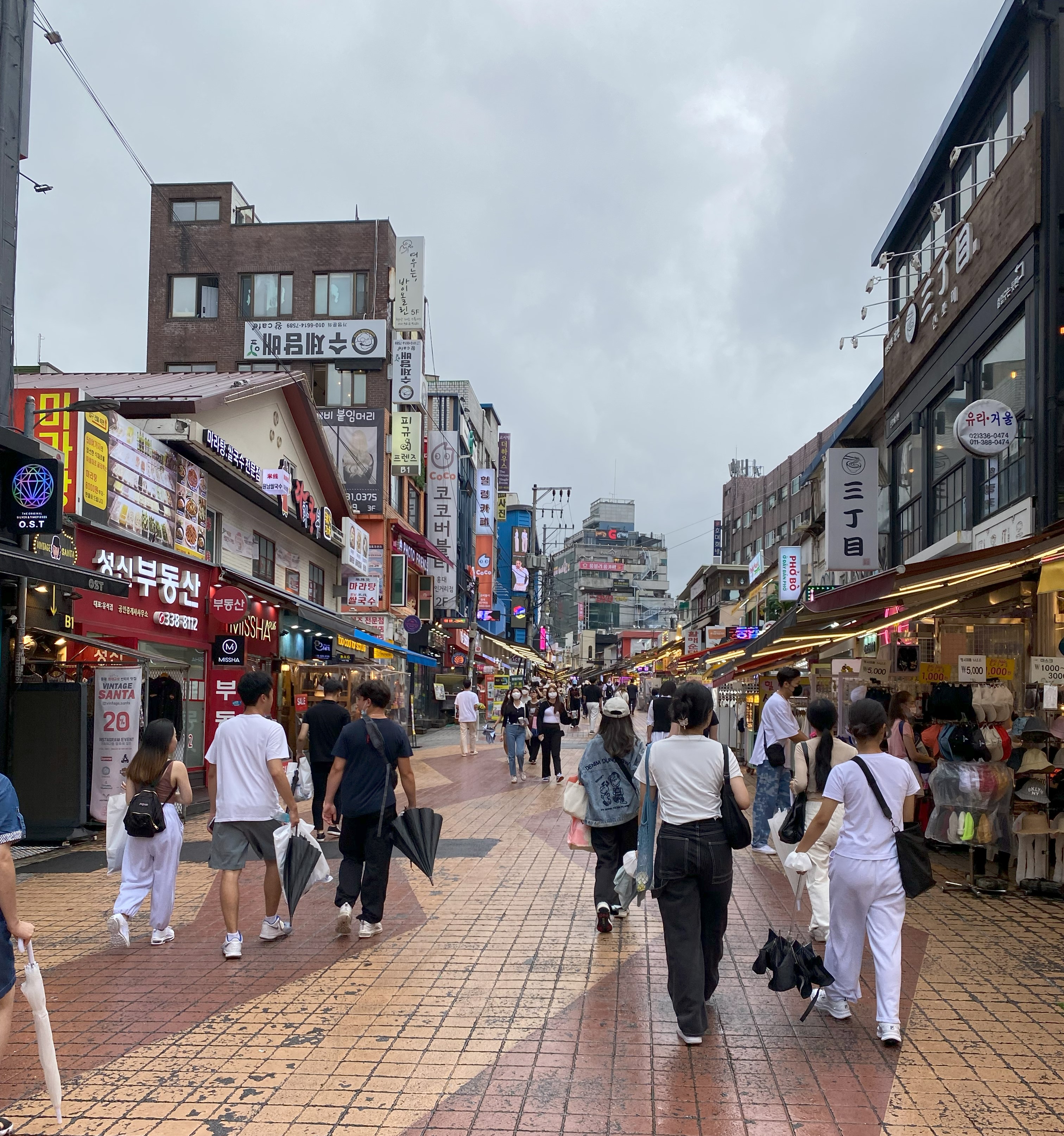 동네 街 · 길홍대Hongdae弘益大学のまわりの通り一帯で、漢江の西側にあります。路上ライブ、クラブ、フォトブース、ラーメン通り。
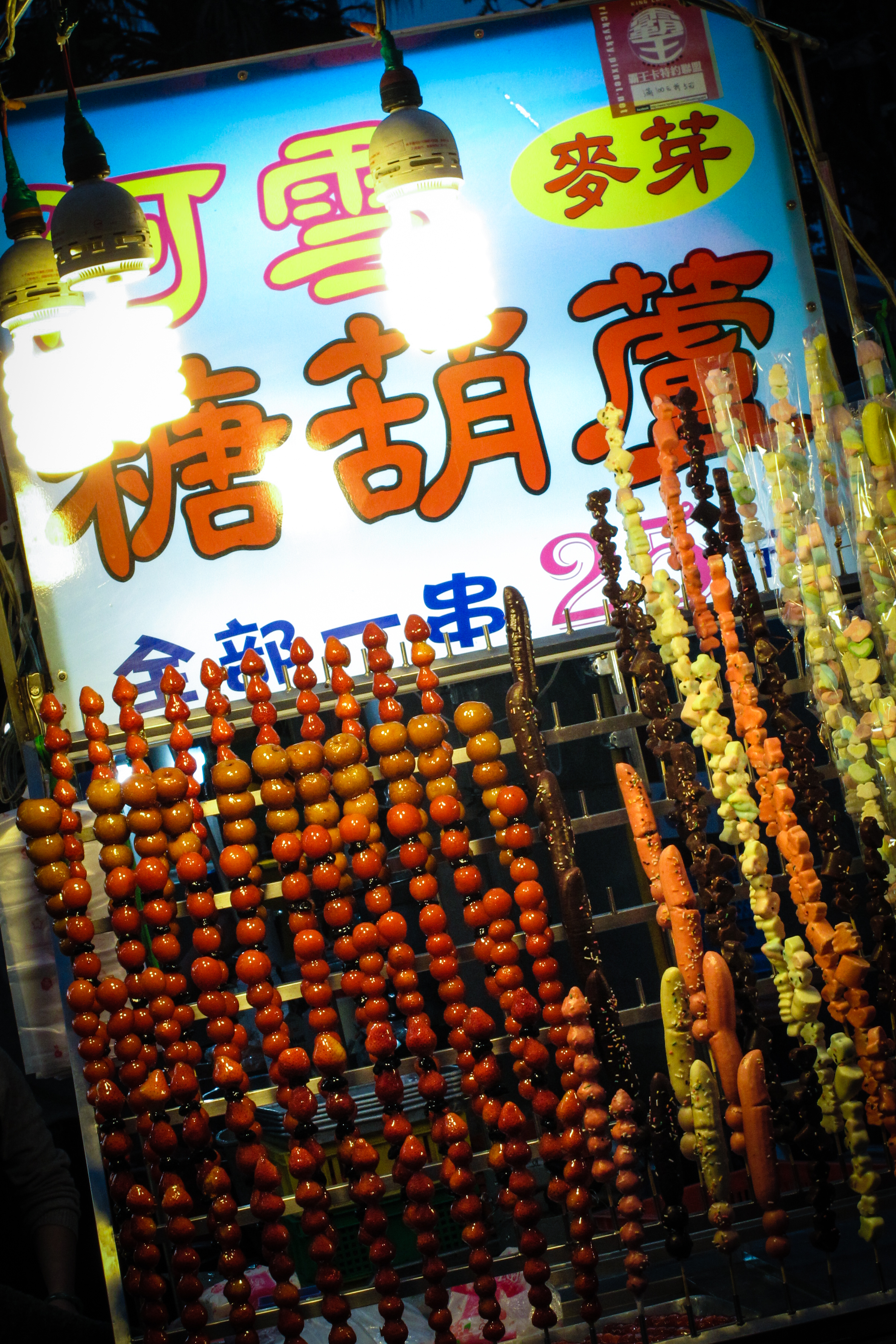 먹을것 食べもの · 맛탕후루TanghuluFruit on a skewer dipped in hard sugar. The craze of 2023 whose biggest chain had lost most of its sales by 2026.오늘 올라옴 今日追加
トーク
自分の言葉で書けば、みんなが自分の言葉で読めます。韓国語で答える読者には「現地人」バッジが付きます。
まだコメントはありません。最初のひとことを。